How ADS Western is Building the “Warm Chain of Support” for Mothers and Babies in Western Kenya
Every child deserves a healthy beginning. Yet in Western Kenya, too many newborns still miss out on the single most powerful intervention for their survival, growth, and long-term development: breastfeeding.
The 2026 World Breastfeeding Week theme , “Breastfeeding for a sustainable start in life: strengthen what works” is more than a global call to action. It is a mirror held up to our own communities, asking us to track progress, evaluate impact, and scale the proven approaches that are already changing lives here at home.
At ADS Western, we believe the interventions are proven. The economic returns are exceptional. The remaining challenge is not knowing what works it is investing at sufficient scale and strengthening every link in the “Warm Chain of Support” for breastfeeding mothers.
What the Evidence Tells Us

Breastfeeding is not just a health issue. It is a sustainable development strategy rooted in nutrition security, climate resilience, and economic empowerment. When a mother breastfeeds exclusively for the first six months, she gives her child:
- Optimal nutrition that no formula can replicate
- Immune protection against common childhood illnesses like diarrhea, pneumonia, and malaria
- A foundation for cognitive development that shapes school performance and lifelong earning potential
For the mother, breastfeeding reduces the risk of breast and ovarian cancers, supports faster postpartum recovery, and strengthens the bond that underpins early childhood development.
For the community, every shillings invested in breastfeeding promotion returns Kes 3500 in economic gains through reduced healthcare costs, improved education outcomes, and stronger local economies.
The science is settled. The question is: Are we doing enough to support mothers to succeed?
ADS Western’s Integrated Approach: The Warm Chain in Action
Under our Integrated Health & Social Protection pillar, ADS Western has built a multi-layered support system for mothers and babies that mirrors the “Warm Chain of Support” called for by the 2026 theme. Our approach does not treat breastfeeding in isolation. We embed it within the broader ecosystem of nutrition security, maternal health, and community resilience.
1. Maternal, Newborn & Child Health (MNCH) at the Frontline
Our community health volunteers and trained caregivers conduct home visits and facilitate caregiver support groups that reach mothers where they live. We do not just tell mothers to breastfeed we ask what barriers stand in their way. Is it misinformation from elders? Pressure to return to farm work? Lack of nutritious food to sustain milk production?
By addressing these root causes through peer support, psychosocial care, and continuous counseling, we have seen mothers sustain exclusive breastfeeding even in challenging circumstances.
2. Nutrition Security That Fuels Lactation
A breastfeeding mother cannot produce milk on an empty stomach. That is why ADS Western’s Food & Nutrition Security programs are inseparable from our MNCH work. Through:
- Kitchen gardens and bio-fortified crops that put nutrient-dense food on family plates
- Community seed banks and climate-smart agriculture that ensure year-round food availability
- Nutrition campaigns that educate families on the dietary needs of pregnant and lactating mothers
…we ensure that breastfeeding is not a burden borne by a depleted mother, but a shared family and community priority supported by sustainable food systems.
3. Social Protection & Economic Empowerment
We know that poverty is one of the biggest threats to exclusive breastfeeding. When a mother must return to the market or the farm within weeks of delivery, breastfeeding is compromised. Through Village Savings and Loan Associations (VSLAs) and inclusive financial systems, ADS Western helps families build economic buffers that give mothers the time and space to nurse without choosing between feeding their baby and putting food on the table.
4. Engaging Men, Elders, and Community Gatekeepers
Breastfeeding does not happen in a vacuum. Cultural norms, workplace demands, and family dynamics all shape a mother’s ability to breastfeed. Our programs actively engage fathers, community elders, and faith leaders to shift social norms and build an environment where breastfeeding is protected, promoted, and celebrated.
The Road Ahead: Scale What Works

ADS Western has already trained thousands of farmers, established hundreds of kitchen gardens, and supported thousands of caregivers across Western Kenya. We have seen malnutrition rates drop and community resilience grow. But World Breastfeeding Week 2026 reminds us that pilot success is not enough.
To truly strengthen what works, we call on:
- County governments to integrate breastfeeding support into primary healthcare budgets and workplace policies
- Health systems to ensure every maternity ward is baby-friendly and every health worker is trained in lactation counseling
- Workplaces and markets to create enabling environments for breastfeeding mothers
- Communities and families to protect the time, space, and dignity of nursing mothers
- Civil society partners to align investments and avoid fragmented, duplicative efforts
A Sustainable Start for Every Child
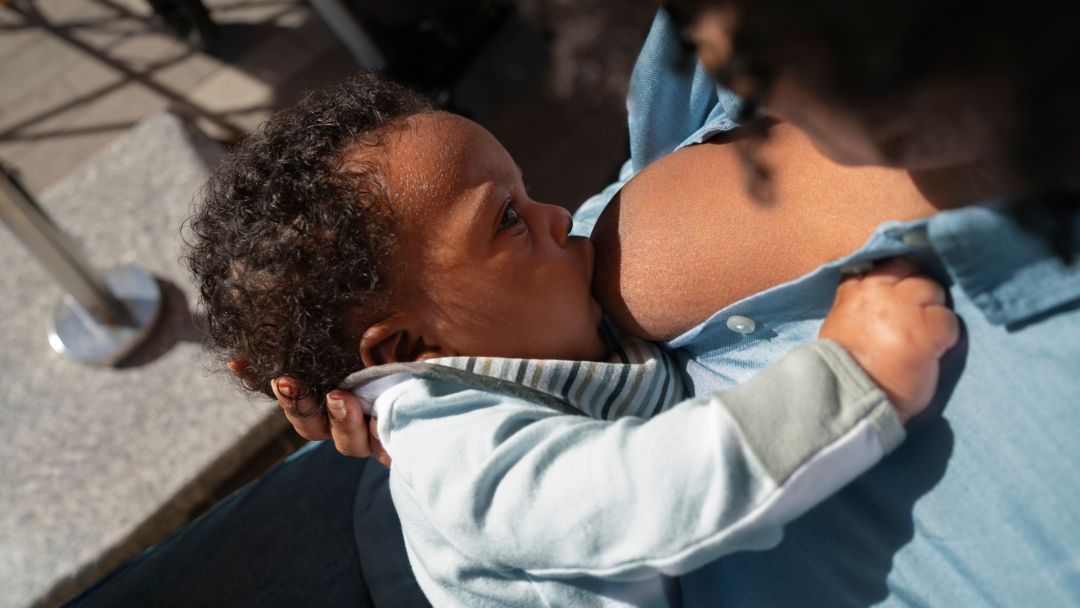
Breastfeeding is one of humanity’s oldest and most effective public health interventions. It requires no packaging, no transport, no refrigeration, and no foreign exchange. It is climate-smart, economically sound, and universally available but only if we choose to support the mothers who provide it.
At ADS Western, we are committed to strengthening what works: linking nutrition security to maternal health, economic empowerment to child survival, and community systems to family wellbeing.
This World Breastfeeding Week, we invite every stakeholder from county health departments to village elders to join us in building a Warm Chain of Support that leaves no mother behind and gives every child in Western Kenya the sustainable start in life they deserve.


