
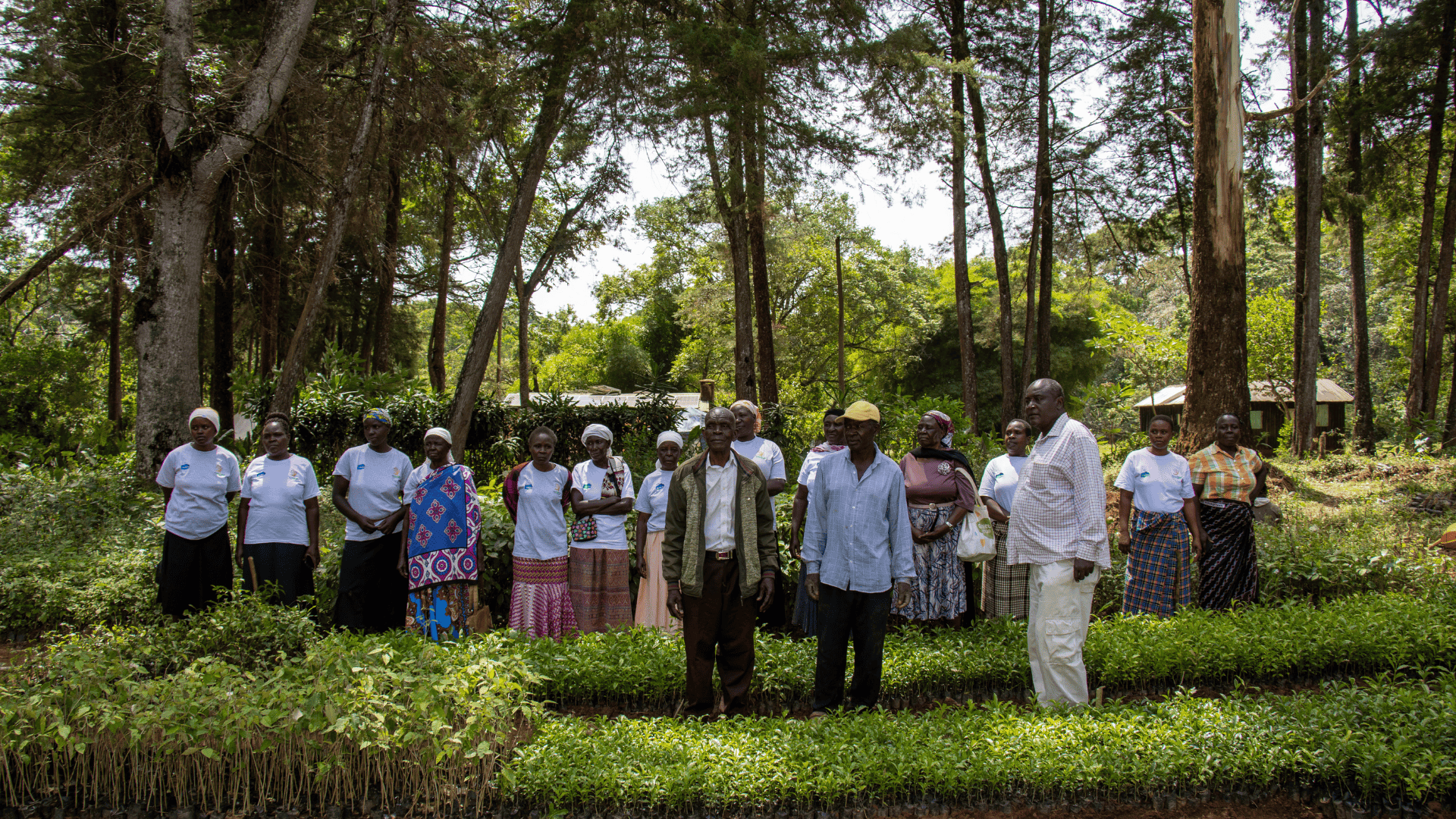
Last week, we were delighted to host Ricus Jacometti, VIVAMOS East Africa Project Coordinator, alongside Rahel Felder and Stelamaris Mulae. Our programme team joined them for a progress assessment visit to review the startup kits that have been distributed to various groups around Kakamega County; in Shinyalu Sub-County.
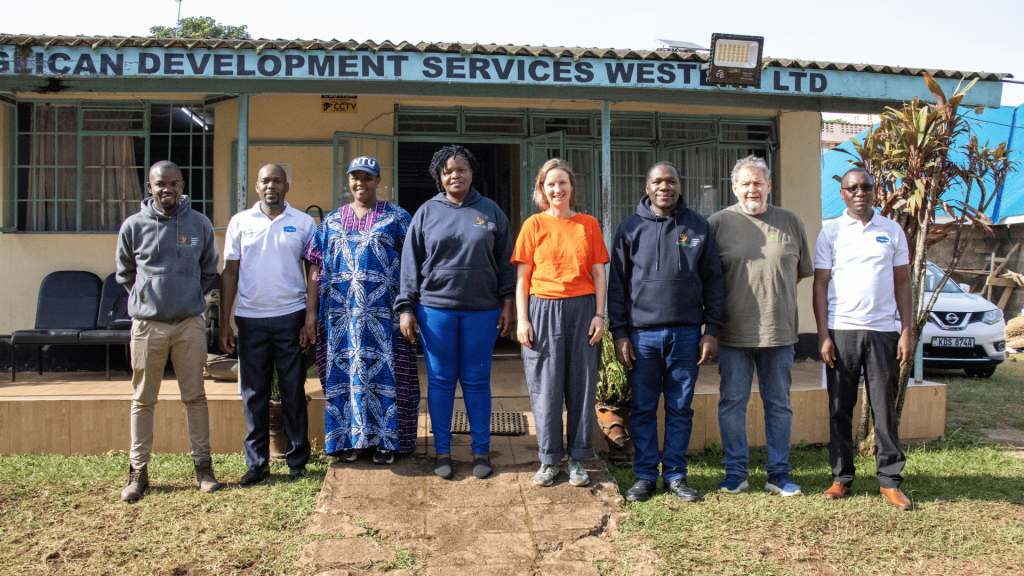
ADS Western Staff posse for a group photo outside ADS Western offices joined with team from VIVAMOS; Ricus Jacometti, Rahel Felder & Stelamaris Mulae.
We engaged with Musha CBO, where we witnessed impressive field activities in tree planting and seedling development. As explained by Melvin Munyasa, the group secretary, most members actively participate in seedling development. They meet at least three times a week to carry out watering and routine inspections. These efforts have already become a reliable source of livelihood for members, even as they prepare to scale up into more comprehensive forest restoration activities.
Youth involvement has also been remarkable. The Muranda Youth Group is actively engaged in poultry farming, where they collectively purchase day-old chicks, rear them, and resell them at one month old or advance them to layers and broilers. Income generated from this initiative has enabled the group to invest in brooding and hatching systems, further strengthening their enterprise.
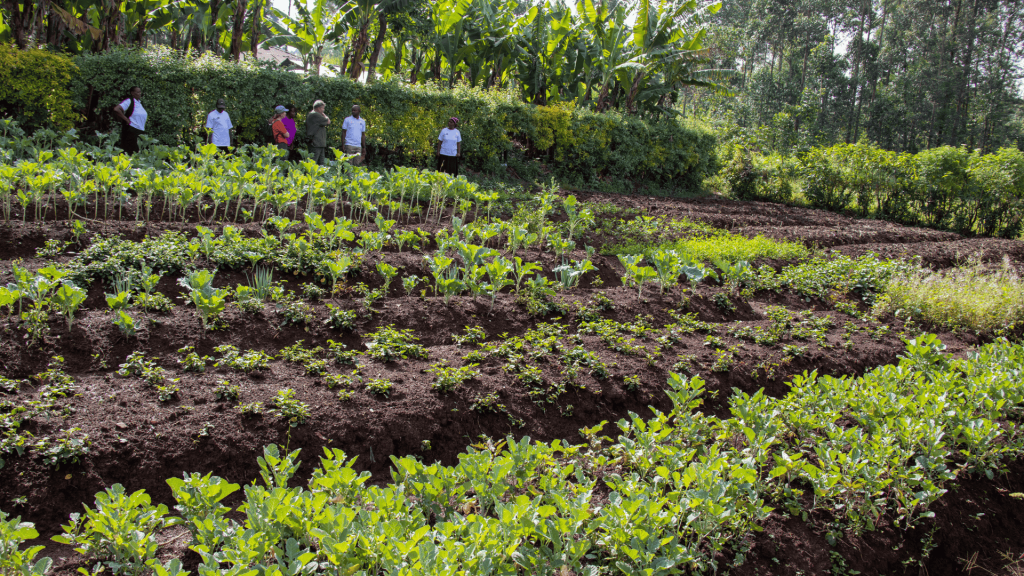
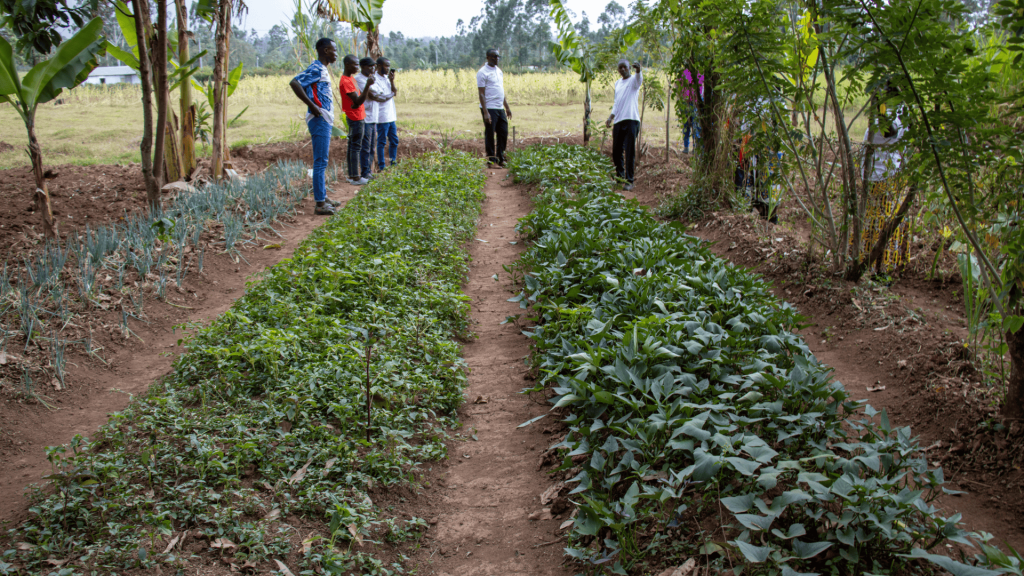
Through knowledge gained from group trainings, some members have also leased land from their parents and are now practicing small-scale farming using improved technologies such as raised beds, mulching, and organic manure to enhance soil fertility and farm productivity.
Despite these successes, the groups continue to face challenges, notably prolonged drought and changing rainfall patterns, which affect soil moisture levels and overall farm output. One of the key visions for groups such as Shambakavu is to invest in beekeeping. This will help scale up revenue and diversify income sources, especially during periods of unreliable rainfall.
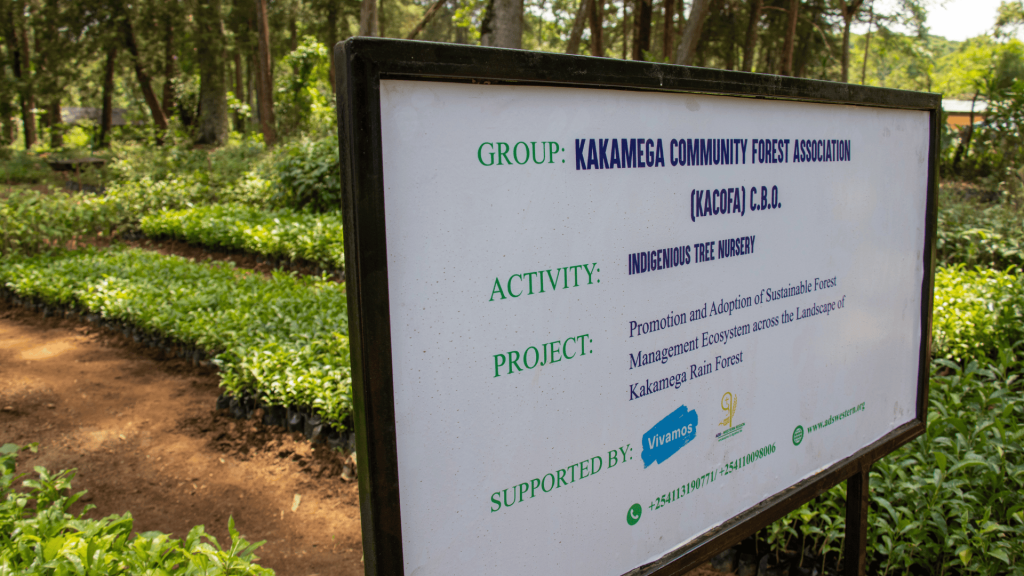
ADS Western is implementing the project Promotion and Adoption of Sustainable Forest Management Ecosystems across the Kakamega Forest Landscape. The main objective of the project is to promote sustainable forest and land management practices that improve livelihoods, reduce forest degradation, and enhance biodiversity within the Kakamega Forest Ecosystem.
The project is being implemented in Kakamega County, Shinyalu Sub-County, covering Murhanda and Isukha Central Wards.


