
RK-FINFA PROJECT – KISII COUNTY, NYARIBARI CHACHE
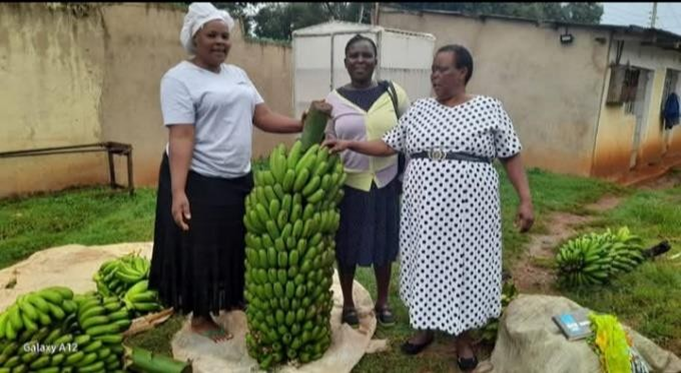
When Margaret Moraa picks up a piece of banana waste, she doesn’t see refuse. She sees material. From her work at Hope for Tomorrow — a community-based organisation she directs in Nyaribari Chache, Kisii County — she has helped develop an enterprise that turns agricultural by-products into handwoven baskets, hats, and eco-friendly products that reach local markets and attract genuine interest.
Hope for Tomorrow is built on a mission that ADS Western and its partner Cordaid recognised immediately: empowering vulnerable youth and women through green innovation. The organisation’s work in beekeeping and banana waste management sits at an intersection of environmental sustainability and livelihoods. When RK-FINFA came alongside them, the ask was not for a handout but for capacity: help them build a bankable business plan, and help them access the finance to scale what they had already started.
Not far away in the same sub-county, the Okoigama Self Help Group has been on a parallel journey. Tired of watching bananas rot during peak harvest seasons, the group began processing them into flour — banana flour, pumpkin seed flour, cassava flour — packaged and sold locally. Their colourful, well-branded products, visible at community market days, are a testament to what agricultural value addition looks like when farmers are given the right support.
And then there is Cleophas, the director of OBIFAM Enterprise in Kitutu Chache South, who runs an integrated agri-operation — Black Soldier Fly (BSF) rearing, poultry, dairy goats, and fish farming — on a circular economy model. Market waste feeds the BSF. The BSF feeds the birds. The fishpond water will irrigate the land. His vision is to make OBIFAM a learning centre for circular economy in the region.
Across all three enterprises, RK-FINFA’s approach has been consistent: build capacity first, then connect people to finance. Each organisation now has a bankable business plan. Each is on a pathway to accessing agricultural loans that will enable them to purchase equipment, raw materials, and infrastructure. They are not waiting to be helped. They are ready to grow.


