
RK-FINFA PROJECT – LWANDA, WESTERN KENYA
Irine Kubasu has spent years sitting across tables from farmers who are frightened. Not of hard work — they are no strangers to that. What frightens them is debt. The idea that a loan officer might one day arrive at their door and take something. That fear, Irine explains, is rooted in ignorance — not in any moral failing, but in the absence of financial literacy that was never offered to them.
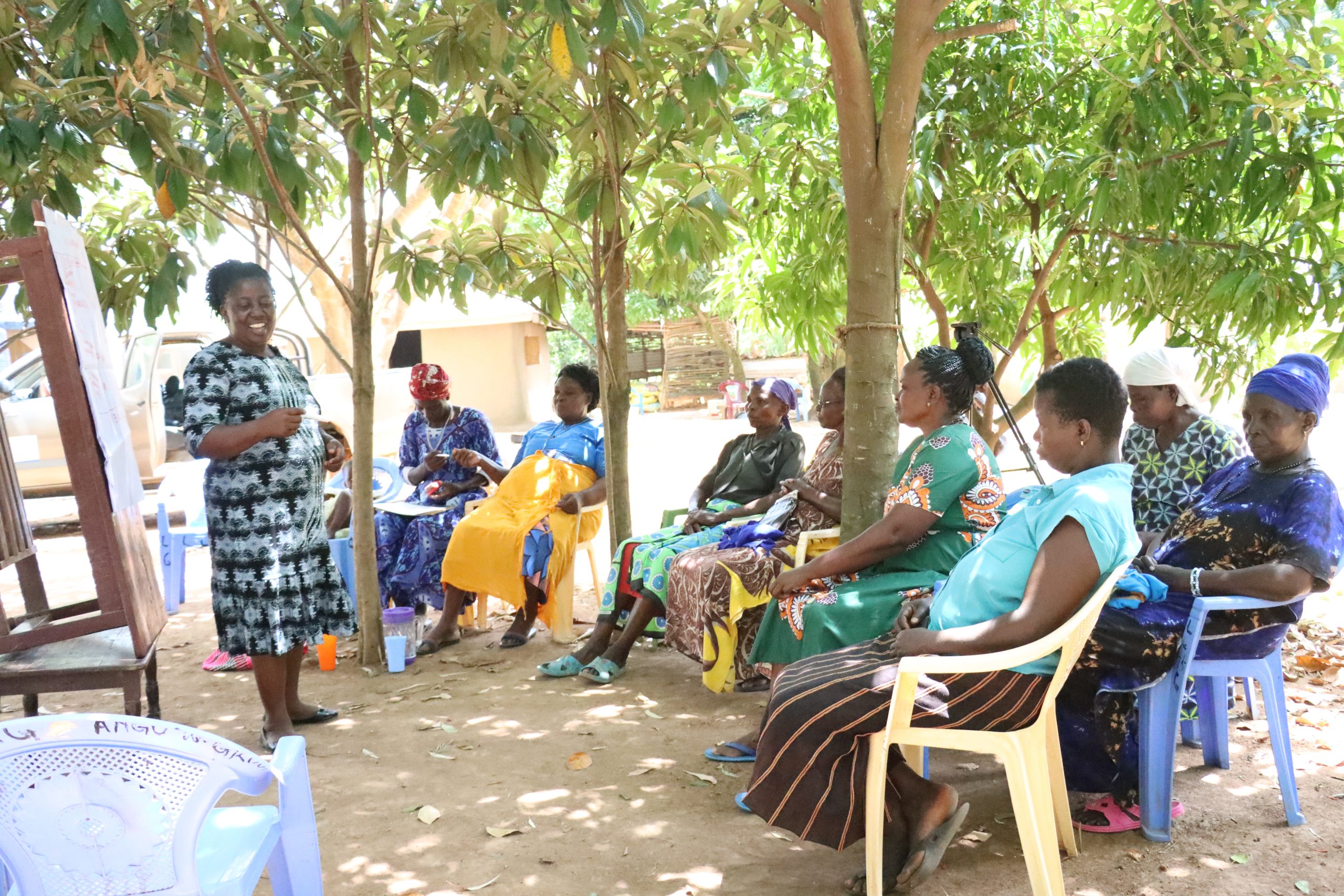
Irine works for ADS Western under the Rural Kenya Financial Inclusion Facility (RK-FINFA), an IFAD-funded project that channels agricultural finance through Juhudi Kilimo to smallholder farmers and agricultural MSMEs. Her work begins before any loan is disbursed. She and her Cordaid colleagues spend months in group profiling, sensitisation, readiness assessment, and financial literacy training — helping communities understand what a loan actually is, what it demands, and what it can build.
In the Lwanda group she currently supports, 14 members are now registered with Juhudi Kilimo. Ten have already accessed loans. Those ten have invested in kitchen rearing and vegetable farming — and in doing so, have become something more powerful than borrowers: they have become proof.
“There are people who started with Ksh 10,000,” Irine says, “and they are now at one million shillings.” That kind of trajectory — visible, local, replicable — does more for loan uptake than any brochure. When a neighbour sees a neighbour succeed, fear begins to loosen its grip.
Challenges remain. Multiple development actors are active in the same communities — some offering grants while RK-FINFA offers loans at interest. Irine is measured about this. “As long as a farmer is disciplined in financial management, they can still take the grant and take the loan, boost their business, repay, and continue.” Discipline, she believes, is the real investment.


