There was a time when conversations about gender-based violence rarely happened in public in Mt. Elgon. If a woman was beaten, neighbours looked away. If a girl was abused, families often chose silence over justice. Survivors carried the burden alone, fearing shame, retaliation, or rejection from the very communities that should have protected them.
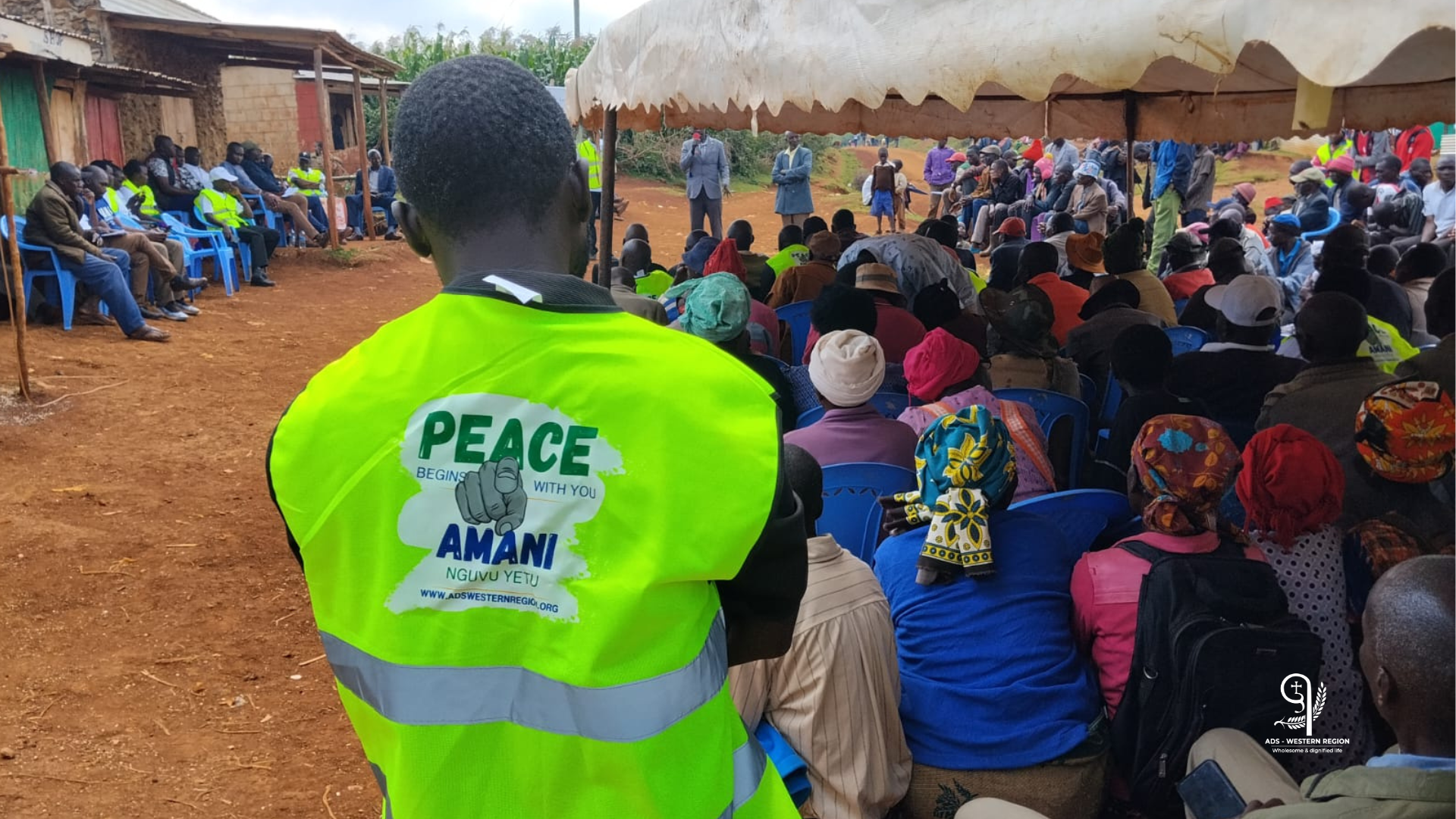
Today, those same conversations are taking place under trees, in chiefs’ barazas, churches, schools, and community halls, not in whispers, but openly.
Across Kapkateny, Chepyuk and Elgon Wards, communities are beginning to rewrite a story that has persisted for generations.
“People are no longer asking whether violence should be reported. They are asking where survivors can get help,” observed one community gender champion during a recent dialogue forum.
It may sound like a small change, but for many families in Mt. Elgon, it represents a cultural shift that has taken years to begin.
Breaking a Culture of Silence
For decades, violence against women and children was often hidden behind cultural expectations, family pressure, and fear. Many survivors never reported abuse because they believed nothing would change. Others feared being blamed for the violence they experienced.
Community leaders acknowledge that harmful beliefs had become deeply rooted. Some believed that disciplining women through violence was acceptable. Others considered reporting family abuse an act of betrayal rather than protection.
The result was predictable. Cases went unreported. Children continued growing up in unsafe environments. Survivors remained trapped without access to medical care, legal support, or counselling. Yet despite these challenges, community members say something is changing.
Not because attitudes changed overnight, but because people have been invited into conversations they had never had before.
Turning Dialogue into Action
Through the Gender Justice Project, ADS Western has taken an approach that starts where change matters most, in the community itself. Instead of bringing ready-made solutions, facilitators have created safe spaces where residents identify the challenges affecting them and collectively explore practical responses.
During recent community dialogue sessions, hundreds of residents gathered alongside chiefs, youth leaders, religious leaders, women’s representatives, community health promoters and local administrators.
The conversations were honest. Parents spoke about harmful parenting practices. Young people described the pressures they face. Women shared the barriers preventing survivors from seeking help. Community leaders reflected on traditions that unintentionally protect perpetrators rather than survivors.
These discussions did more than raise awareness. They challenged assumptions that had gone unquestioned for years.
Participants explored topics ranging from gender-based violence and child protection to healthy relationships, referral systems, and the responsibility every community member has in protecting vulnerable people.
Perhaps most importantly, survivors were no longer portrayed as isolated victims. They became members of a community with rights, dignity and people willing to stand beside them.
Connecting the Missing Pieces
As awareness increased, another reality became clear. Even when survivors wanted help, many did not know where to find it. Some reported cases to village elders. Others visited health facilities first. Some approached the police.
Many simply gave up after being referred from one office to another.
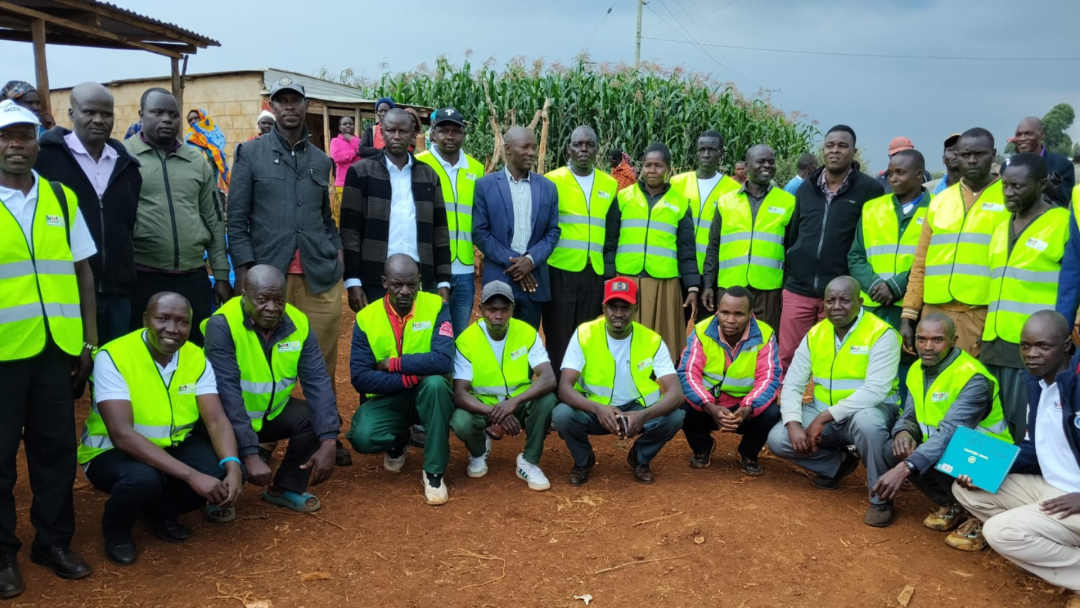
Recognizing this gap, ADS Western brought together representatives from government departments, health facilities, police services, children’s offices, faith institutions, schools and community organizations to answer one important question:
How can every survivor receive help quickly, safely and with dignity?
The meeting produced more than discussion. It began creating stronger referral pathways that connect survivors to medical treatment, legal services, counselling, child protection, and psychosocial support without unnecessary delays. For the first time, many service providers were able to understand one another’s roles and identify opportunities to work together instead of independently.
The result is a support system that is gradually becoming easier for communities to navigate.
Small Conversations. Big Change.
The impact cannot be measured by statistics alone.
It can be seen in the confidence of community members who now speak openly about violence instead of treating it as a private family matter. It can be heard when chiefs use public gatherings to educate residents about reporting channels instead of waiting until violence has already occurred.
It is reflected in young people who are organising themselves into peer groups that encourage healthy relationships and mutual accountability. And it is visible in the growing collaboration between institutions that once responded to gender issues in isolation.
Since the project began, more than 240 community members have participated in awareness sessions, while over 120 residents have engaged in structured dialogue forums.
More than 50 representatives from government, health services, security agencies and civil society have jointly committed themselves to strengthening survivor referral systems across Mt. Elgon.
Behind every one of those numbers is a conversation that may have prevented violence before it happened, or helped a survivor find justice.
The work, however, is far from complete.
Deep-rooted social norms, stigma, economic hardship, and limited counselling services continue to present significant challenges. Political transitions and changing social dynamics also require continued investment in community education and local leadership.
For ADS Western, these realities reinforce an important lesson. Gender justice cannot be achieved through legislation alone. It grows when communities themselves reject violence, support survivors, and become active defenders of human dignity.
In the coming months, the project will continue strengthening referral systems, training gender champions, expanding community awareness campaigns and equipping local leaders with the knowledge needed to sustain change long after the project ends.
Because lasting transformation is not measured by the number of meetings held. It is measured by the mother who finds the courage to report abuse. The chief who refuses to settle violence through silence. The young man who challenges harmful stereotypes among his peers.
The neighbor who chooses to protect rather than ignore. One conversation at a time, Mt. Elgon is discovering that gender justice is not the responsibility of a few institutions. It is the shared responsibility of an entire community. And when a community finds its voice, silence no longer protects violence, it protects hope.


